What's New

Toque: A Doctoral  Hiatus (2/28)
Articles: Listening  for  Compás (2/22)
Toque: Flamenco  Metronome (.com!)  (2/15)
Articles: Flamenco  Rasgueado (2/9)
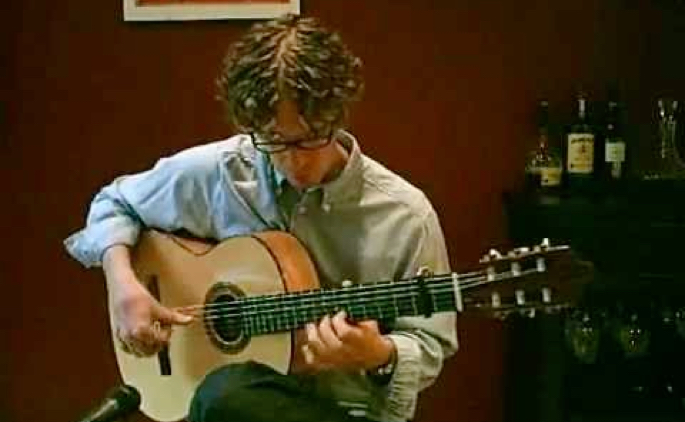
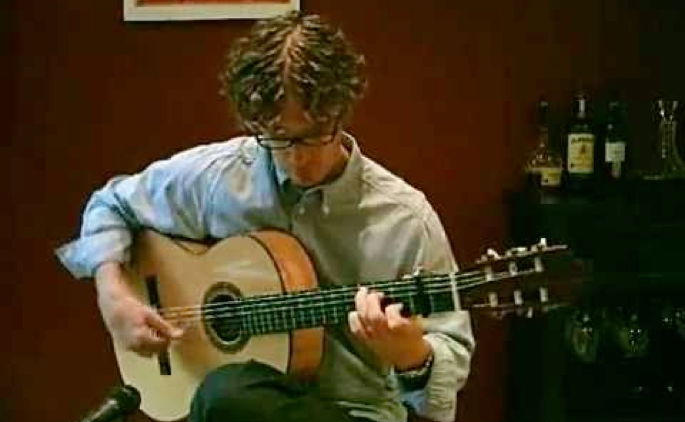
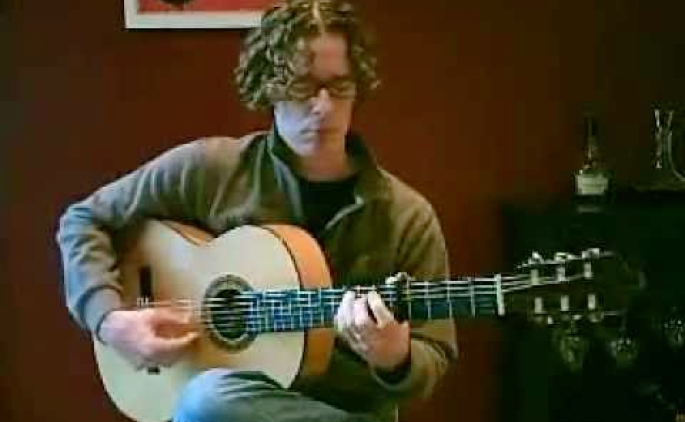
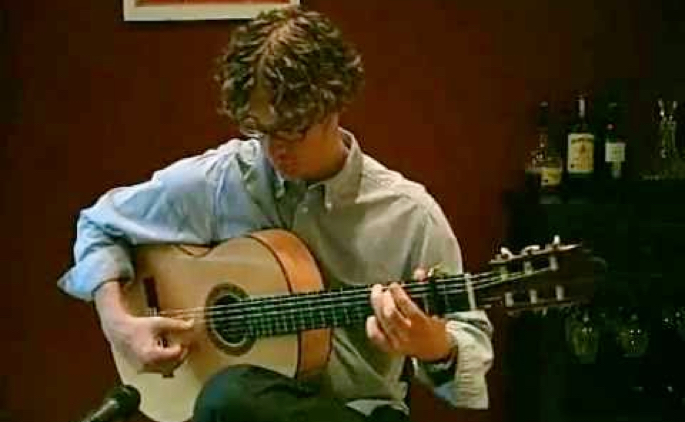
Video: Flamenco:  A Personal  Journey (2/4)


Quick Links

Recent Articles
Practice Tips for  Beginners
Free Tab on the  Internet
Alegrias  Accompaniment
Foot Tapping for  Bulerías
Returning to A  [book review]
Palmas in Brief
Sevillanas  Accompaniment

Recent Tabs
Bulerías falseta
Tangos falseta
Sevillana (E min)
Alegrias por Baile
Almoraima  (bulerías)

Metronomes
Metronome
  Demo

Alegrías
 (120 bpm)

Alegrías
 (144 bpm)

Bulerías
 (180 bpm)

Bulerías
 (200 bpm)

Rumba
 (180 bpm)

Rumba
 (200 bpm)

Sevillanas
 (120 bpm)

Sevillanas
 (135 bpm)

Siguiriya
 (144 bpm)

Soleá
 (90 bpm)

Tangos
 (120 bpm)

Tangos
 (144 bpm)


Search RF


Support RF !


Get Adobe Reader


Guitar Tab

Here is where you will find tablature of flamenco guitar pieces and exercises. Tabs are arranged alphabetically by palo. These particular pieces have been chosen, arranged, and posted for their instructional value to those learning to play flamenco guitar. As always, do feel free to comment on particular tabs or suggest pieces to be included in this archive.

Song Titles: Click the song titles to navigate to a detailed discussion of the piece. You will also find video (when available) and access to the tablature here.

1star5star: Think of the stars like the "spice guide" on the menu in a good Thai restaurant: all of the dishes are tasty, but some will make you work harder than others.

pdf: Click the PDF icon to download the tablature directly.


 Alegrias

Alegrias por Baile 5star Traditional video
An arrangement of a traditional alegrias in E major. This transcription emphasizes how the different parts of alegrias fit together in the context of dance accompaniment: falsetas, coplas, llamadas, cierres, silencio, etc. The falsetas are based on work by Tomatito and Chicuelo. The silencio is based on the Grupo de José Galván silencio on the Alegrías y Cantiñas II Solo Compás disc.


 Bulerias

Almoraima 5star Paco de Lucia video
A single guitar arrangement of Paco de Lucía's masterpiece bulería (on the album of the same name). Paco plays this largely in "6's", but I've transcribed it here in "12's" so that the compás is easier to track. This piece, as well as being a great challenge all by itself, is a veritable encyclopedia of Paco bulerías falsetas—many of the riffs that crop up here can be found peppered throughout Paco's other solo and accompaniment work.


Buleria (falseta) 3star Paco de Lucia
This is an arrangement of a falseta Paco de Lucia plays in Jerezana (on La Fabulosa Guitarra De Paco De Lucia). Melodically it moves between the C, Bb, and A chords, which makes it an easy fit most bulerias played por médio. Of course it is Paco we're talking about, so there's a lot that happens in between these changes.


 Guajira

Guajira 4star Traditional video
This transcription is an arrangement of a traditional guajira in the style of Manolo Sanlucar. I've included two "classic" guajira falsetas and a rhythmic rendering of a typical guajira copla (verse). The compás for guajira is the same count/accent structure as for buleria, but the guajira has a brighter, bouncier feel: think "tropical". . . .


 Sevillanas

Sevillana (A maj.) 1star Traditional
An arrangement of a traditional major key sevillanas. This transcription, again, emphasizes compás. Granted, compás in sevillanas is not rocket science, but if you neglect it, the music falls flat. This is the first transcription in a sevillanas article/tab series that will go into detail on dance accompaniment and flamenco keys (i.e. musical keys: A maj, A phrygian, E phrygian, and A min).


Sevillana (A phr.) 3star Sabicas
An arrangement of a traditional phrygian key sevillanas--this one adapted from a Sabicas recording. The transcription, as always, emphasizes compás. The melody of this particular arrangement is a bit challenging because its phrases move in twos while the compás (of course) moves in threes. This feature makes it a good exercise in keeping compás--remember, your count is 1 2 3 1 2 3. . . .


Sevillana (A min.) 3star Sabicas video PDF
This melodic sevillanas makes for a good picado and left hand position switching workout. Notice in the transcription where open strings are used to make position shifts smoother and easier (as in the salida and the first four bars of the tercio).


Sevillana (C maj.) 2star Sabicas
Another arrangement of a Sabicas sevillanas, but this time I've paid closer attention to Sabicas's rhythmic nuance. Whereas the other sevillanas transcriptions listed so far are focus on the melodic content of the falsetas being played, this study looks at the rasgueado and chording between falsetas--which is part of what makes Sabicas so interesting to listen to.

Sevillana (C maj.) 2 2star Sabicas
Here's a second Sabicas sevillanas in C Major. While the key and chords of this arrangement are similar to those used in the first C maj. sevillanas (above), the feel here is quite different: instead of eighth notes, the melody uses triplets throughout and in place of moving evenly though the C maj. progression, this arrangement hangs on the C then resolves quickly through the F and G.

Sevillana (E min.) 2star Pedro Soler
This is an arrangement of the second sevillana in Pedro Soler's "Campos de Sevilla," from the Luna Negra disc (2004). This piece relies heavily on the bass strings and makes for a moody, often dark rendition of what is usually a fairly upbeat song form.

Sevillana (E min.) 2 2star Pedro Soler
This is my arrangement of the third sevillana in Pedro Soler's "Campos de Sevilla," from the Luna Negra disc (2004). It is, like the first Soler sevillana listed above, in a minor key, but it is considerable brighter than its counterpart--due in large part to its more frenetic movement and its use of higher registers.

Sevillana (E phr.) 2star Traditional
Another arrangement of a traditional sevillanas, this one a bit on the dark and moody side. The melody here is pretty typical of sevillanas, but you'll notice that it is played on the bass strings--and the harmony is played on the trebles. This allows it to have a "more full" sound, but still stay low and moody. As always, pay attention to the compás--it is accented in the notation.

Sevillana por cante "Puerta de Toledo" 1star Traditional
This is a very basic sevillanas accompaniment por cante (singing). The video link here is to the Chiquetete version of "A la Puerta de Toledo." (Click here for the lyrics.) I have (for obvious reasons) not transcribed the string sections, but once it gets going, you'll hear how the guitar fits in.


 Tangos

Tangos (falseta) 3star Moraîto
This is an arrangement of the opening falseta of Moraîto's Rompeserones (Morao y Oro). Moraîto is a master of "saying more with less" and this falseta is a perfect example of that mastery: here the silences are as important as the notes played.

Tangos (falseta) 4star Paco de Lucia
This tangos falseta is most commonly associated with Paco de Lucia's Los Pinares (Fuente y Caudal), though it comes up from time to time in his accompaniment playing as well. Since the first phrase of this falseta (bars 5-8) is on the G minor chord, it is perfect for breaking up the Dm/C/Bb/A progression so typical of tangos accompaniment.


Tabs provided here are, as is to the best of my knowledge allowed by the "Fair Use" clause of the 1976 Copyright Act (Section 107), provided for "private study, scholarship, or research" purposes only. These works are presented as study aids to skill improvement; individuals seeking definitive transcriptions of any music discussed here are highly encouraged to purchase such transcriptions from the copyright owner. If you are the copyright holder of any piece of music listed in this archive and would like it removed, please contact me and I will do so immediately.


Have a song to suggest? Let's hear it:


Interact